REVIEW · SICILY
Sicily: Mount Etna’s North Slope Craters Guided Hike Tour
Book on GetYourGuide →Operated by Empeeria · Bookable on GetYourGuide
Volcano craters beat any postcard. This guided hike on Mount Etna’s north slope brings you right up to craters formed during the 2002 activity, with a guide to explain what you’re seeing in plain terms. It’s Sicily’s active-volcano power, up close and walking pace.
I love the mix of trail variety and views: an easy start along the lava-flow edge, then a climb through a beech forest before you reach the crater area. I also love how the guides turn the terrain into lessons, with folks like Grazia and Francesco described as fun, energetic, and great at answering lots of questions.
One consideration: the route can shift with weather, and conditions can turn fast on Etna. If you show up expecting perfect sunshine all morning, you’ll be happier packing for change and staying flexible.
In This Review
- Quick take: North slope craters in a nutshell
- Mount Etna’s north slope: what you’re really hiking
- Meeting at Piano Provenzana and the 3-hour rhythm
- The easy lava edge start, then beech forest ascent
- North slope craters: perimeter walking and panoramic payoffs
- Crossing lava flow and understanding side-crater chaos
- Ragabo Pinewood canyon: where eruptions meet living terrain
- The guide makes the difference: Grazia, Francesco, and pacing the walk
- Price and packing list: $52 for a 3-hour Etna lesson
- When weather changes, you still get the core experience
- Who this hike is best for (and who might not love it)
- Should you book this North Slope Craters hike?
- FAQ
- How long is the guided hike on Mount Etna’s north slope craters?
- Where do I meet the guide?
- What’s included in the price?
- Are snacks or drinks provided?
- What languages is the guide available in?
- What should I bring?
- What should I do on arrival?
- Is free cancellation available?
- Is the tour family-friendly?
Quick take: North slope craters in a nutshell
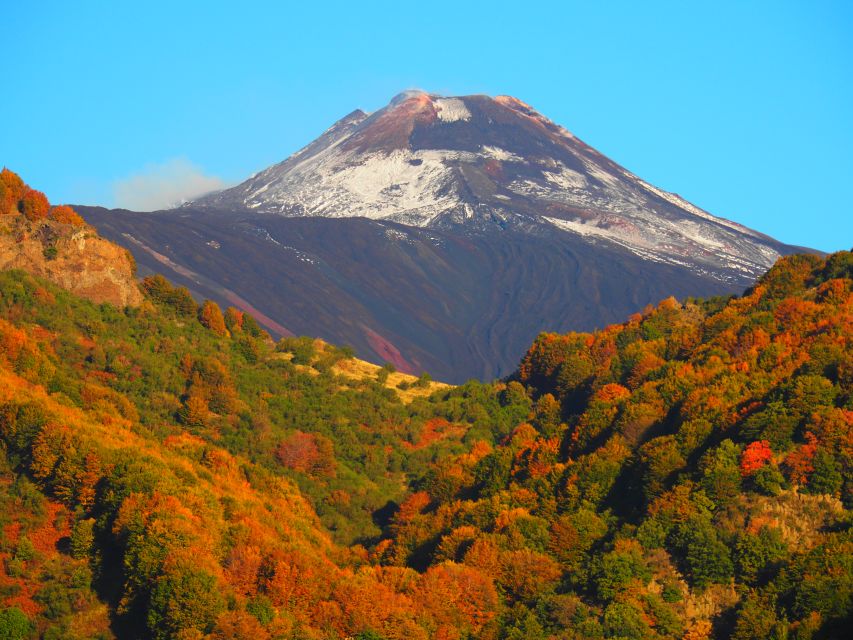
- Piano Provenzana starting point: ski-resort area meeting point with a real safety briefing before you hike
- Easy-to-steady pacing: starts on an easy path along lava, then transitions into ascent through beech forest
- Craters with a timeline: you focus on the north slope where new craters formed in 2002
- Lava-flow crossing: you carefully cross a lava flow leaking through side craters
- Ragabo Pinewood canyon story: you pass a canyon shaped by magmatic flooding that partially destroyed this woodland
- Perimeter walking: you get time to circle crater edges and take in panoramic views
Mount Etna’s north slope: what you’re really hiking
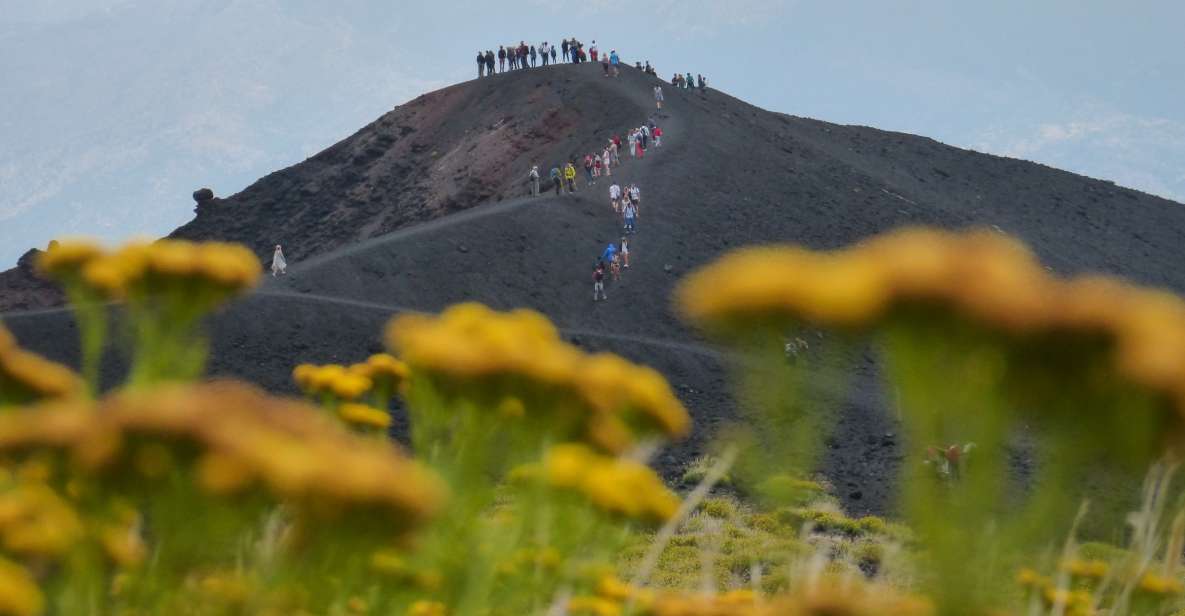
This tour is built around one big idea: Etna is not just a mountain you look at. It’s a moving, changing system, and the north slope gives you a front-row seat to that transformation.
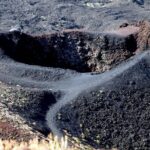
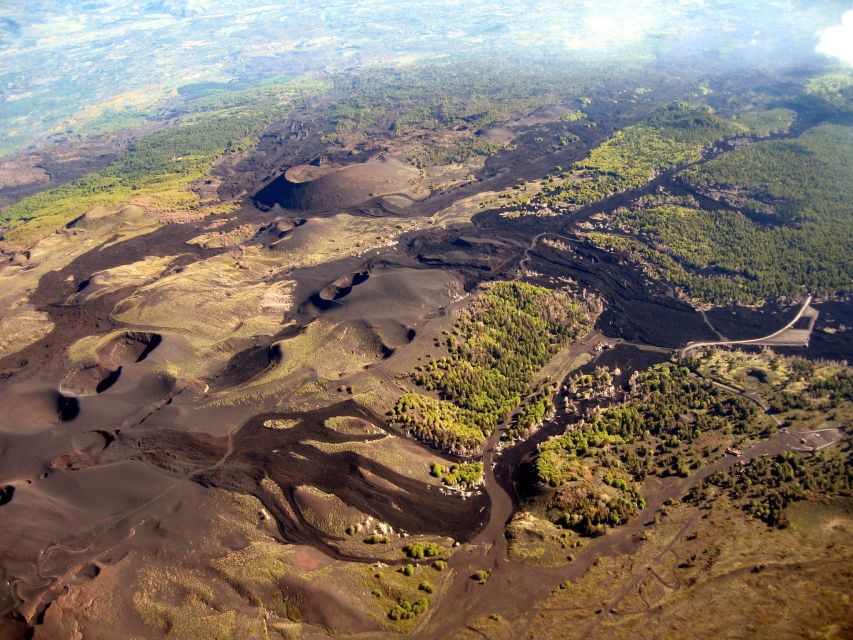
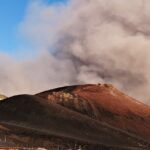
You’ll hike across crater terrain tied to recent activity, including the moment when new craters formed in 2002 and violent eruptions followed. That matters because it turns the scenery into a readable story. Instead of only seeing rock, you start understanding why it looks the way it does, and how volcanic action reshapes terrain over time.
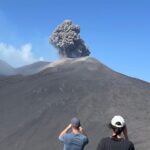
And yes, you’ll get the dramatic stuff: walking along crater edges where it feels easy to imagine the force behind an eruption. The difference here is that your guide helps you connect the drama to the science, so you’re not just taking photos and moving on.
You can also read our reviews of more guided tours in Sicily
Meeting at Piano Provenzana and the 3-hour rhythm
You meet your guide at Piano Provenzana, a spot that’s known for its ski resort. That’s a useful detail because it tells you something practical: you’re starting in a mountain area where the trailwork and viewpoints are set up for day hikes.
Expect a safety briefing before you head out. It’s not a throwaway minute; it sets the tone for how you’ll move around crater terrain and lava areas. Then you’re on the trail for about 3 hours, which is long enough to feel like you got somewhere, without turning into an all-day slog.
One small logistics tip: arrive early. The guidance is to get there at least 30 minutes ahead so you can catch the briefing without stress. If you’re the type who always shows up right on time, this is one where arriving early makes the experience smoother from the first minute.
The easy lava edge start, then beech forest ascent
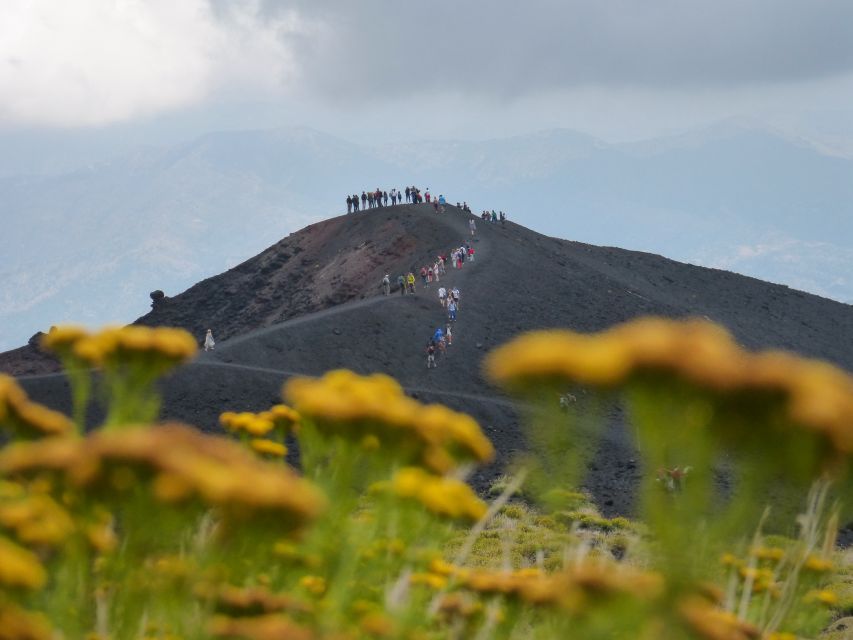
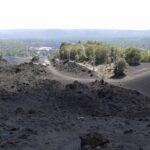
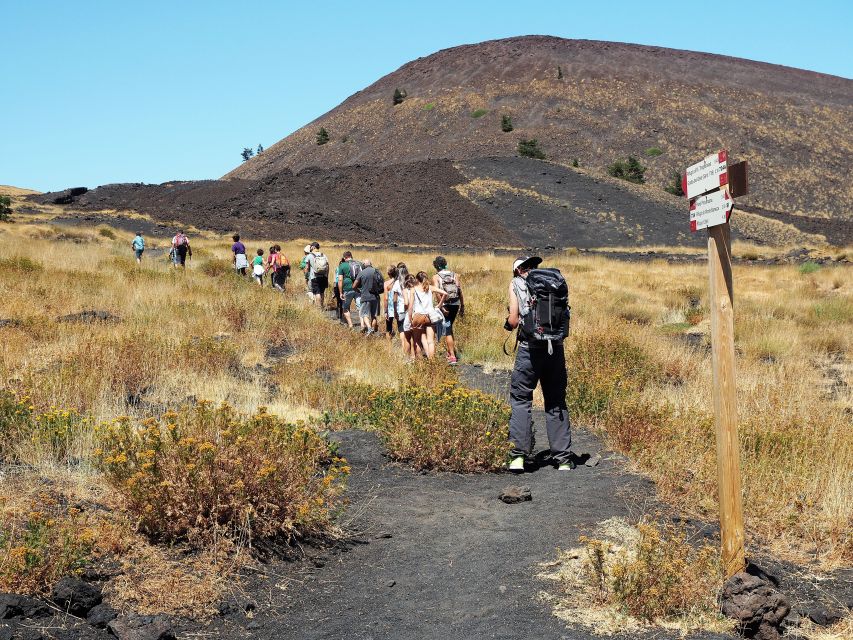
The hike begins on an easy path along the edge of a lava flow. Even if you’re not a “volcano person,” this opening is a smart intro. You’re basically easing into the story of Etna: rock ground, volcanic texture, and that sense that everything around you formed through upheaval.
After that, the ascent begins through an idyllic beech forest. This change of scenery does more than just break up the walk. It gives you a sense of contrast—how forests persist, how life shows up near active ground, and how volcanic landscapes can still support plant communities.
If you want the tour to feel enjoyable rather than exhausting, this pacing is a plus. You get a gradual transition from the lava-edge start to the crater region, and the guide can adjust the walking rhythm to the group.
North slope craters: perimeter walking and panoramic payoffs
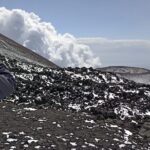
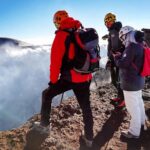
Once you reach the northern side crater area, you’re in the heart of the tour’s main theme: Etna’s north slope activity and the crater formation tied to 2002. This is where your guide’s explanations start to click, because you’re physically walking through the same kind of terrain that eruptions leave behind.
A key part of the experience is walking along the edge of the craters and going their perimeter. That might sound technical, but in practice it means repeated viewpoints. You stop often enough to take in what’s around you, then move again so you don’t just stand in one place.
The views here are panoramic in the best sense: you can look out and also look down at volcanic features close by. Your guide helps you connect the big picture—Etna’s dominance in the Sicilian landscape—with the close-up details you’re stepping over.
This is also where the tour becomes ideal for nature lovers. You’re not only chasing sights; you’re watching the ongoing process of terrain transformation. The land feels like it’s still writing its story, and you’re reading along as you walk.
Crossing lava flow and understanding side-crater chaos
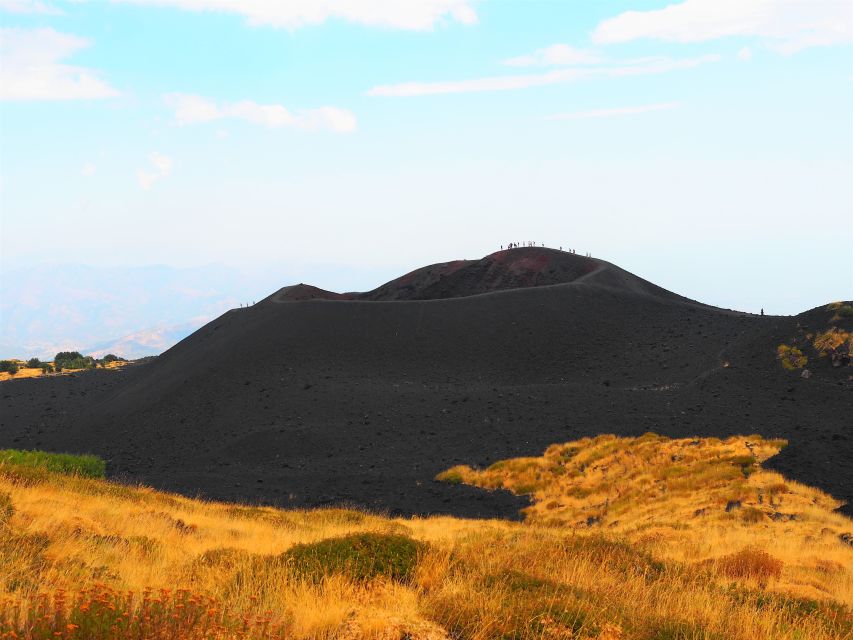
One of the most memorable moments is when you carefully cross a lava flow that leaks through side craters. This is not a casual step-through. You’ll follow instructions, keep your balance, and move at the pace your guide sets.
Why is this crossing such a big deal? Because it turns an abstract idea—volcanic leftovers—into something physical. You can literally see how lava moved and where it left gaps, channels, and forms. And with your guide beside you, you get the science behind what those patterns can mean.
Also, this section reinforces what the tour is trying to teach: volcanic terrains don’t freeze in time. Even after eruptions, the landscape continues to evolve—through erosion, changes in paths, and the slow return of ecosystems.
You can also read our reviews of more hiking tours in Sicily
Ragabo Pinewood canyon: where eruptions meet living terrain
Another stop brings you to a deep canyon engraved by a huge magmatic mass. You’ll hear how it flooded and partially destroyed the centuries-old Ragabo Pinewood.
That’s one of the best educational touches on this hike. It’s not just about damage or destruction. It’s about impact—how volcanic activity can reshape land, then how ecosystems respond. The guide’s perspective matters here because the canyon is dramatic on its own, but it becomes even more meaningful when you understand what created it.
On Etna hikes, it’s easy to get stuck in the visual wow factor. This part helps you slow down and think about cause and effect: eruptions change geography, geography changes where plants can grow, and time changes everything.
The guide makes the difference: Grazia, Francesco, and pacing the walk
The tour is led by a live guide, and the quality of that guidance shows up in the details. Guides like Grazia have been praised for connecting Etna to history, nearby towns, and plant life around the volcano. That’s a strong combo, because it keeps you from seeing only rock.
Other guides, including Francesco and Francesca, have been described as fun and responsive, with clear explanations and lots of patience for questions. One booking even notes that when weather turned stormy with thunder and lightning, the guide kept the group’s pace controlled so the hike stayed on schedule.
That matters for you because Etna weather can be moody. If you end up hiking in changing conditions, a guide who can manage pace and attention helps you feel safe and in the moment instead of worried about time.
And I’ll say this: a big volcano can turn people into silent photo bots. The guides on this tour seem to avoid that by making the hike interactive—facts, but also conversation.
Price and packing list: $52 for a 3-hour Etna lesson
At $52 per person for about 3 hours, this sits in the “good value if you like being guided” category. Why? Because the experience isn’t just walking through pretty terrain. You’re paying for expert interpretation—what the craters are, what happened around 2002, and how to read lava flows and crater edges.
It also includes the guide, but snacks and drinks are not included. So don’t plan to arrive hungry and hope for a refill at the meeting point. Bring water and consider packing a simple snack if you tend to get low-energy on hikes.
What you should bring is straightforward:
- Hiking shoes
- Water
That’s it. No heavy gear required based on the info provided, but good footwear is the real make-or-break item. Lava-edge terrain and crater perimeters are where footing matters.
When weather changes, you still get the core experience
Etna can shift the plan depending on conditions. The tour notes that reservations may be subject to change or cancellation if weather requires it.
Here’s the practical mindset that keeps this tour enjoyable: treat it like a mountain hike first, with volcanic interpretation as the bonus. If weather is perfect, great—you’ll see plenty. If weather is rough, you may still experience the science and crater context, but you might get a different pace or adjustments to keep things safe.
One more reason the guide matters again: they handle timing. If conditions worsen, having someone who can rhythm the group helps you stay oriented and finish the walk without feeling rushed.
Who this hike is best for (and who might not love it)
This tour is a strong match for:
- Nature lovers who want more than a viewpoint
- Volcano fans who like explanations tied to actual terrain
- People who enjoy walking and don’t mind a hike that includes crater terrain and lava crossings
It can also be a decent family option. One booking specifically mentions completing the hike with an 8-year-old, which suggests the route can work for children who handle hikes and follow instructions. Still, it’s worth thinking about your own child’s comfort level around uneven volcanic ground.
If you’re the kind of traveler who wants a completely low-effort stroll with minimal steps, this might feel like more than you want. The hike includes ascent through forest, crater perimeter walking, and careful crossing of lava flow.
Should you book this North Slope Craters hike?
Book it if you want Etna with context. You’ll get a guided walk through crater terrain tied to 2002 activity, crater edges, lava-flow features, and the Ragabo Pinewood canyon story—plus the calm confidence of a guide who can explain what you’re seeing.
Skip it (or choose a different Etna option) if your main goal is a relaxing scenic drive or if you hate any chance of weather-related changes. This is a mountain hike, and it works best when you lean into the walking and the lessons.
If you’re ready to read volcanic landforms with help, this is a solid, well-priced way to do it—especially for the price of $52 over three hours.
FAQ
How long is the guided hike on Mount Etna’s north slope craters?
The tour lasts 3 hours.
Where do I meet the guide?
You meet at Piano Provenzana.
What’s included in the price?
A live guide is included.
Are snacks or drinks provided?
No. Snacks and drinks are not included, so you’ll want to plan accordingly.
What languages is the guide available in?
The tour is offered with live guides in Italian and English, and you can purchase it in French upon request.
What should I bring?
Bring hiking shoes and water.
What should I do on arrival?
Please arrive early for a briefing, and the guidance is to arrive at least 30 minutes in advance.
Is free cancellation available?
Yes. You can cancel up to 24 hours in advance for a full refund.
Is the tour family-friendly?
One booking notes the hike was completed with an 8-year-old. The tour includes some hiking across volcanic terrain, so it’s best to consider your child’s comfort and ability to follow safety instructions.