REVIEW · MOUNT ETNA
Mount Etna: Private Trek on the North Slope Craters
Book on GetYourGuide →Operated by Empeeria · Bookable on GetYourGuide
Etna feels close on the north slope. This private trek from Piano Provenzana is interesting because you walk volcanic ground up close and reach the crater bases on the northern side, with your guide tying each turn to what the mountain did in recent eruptions. It’s also built for photos, with panoramic moments as you climb.
My favorite part is the mix: beech forest walking that gradually leads you toward the raw crater area. The one drawback to note is that the route can feel steeper than you’d guess from pictures, and if you have a fear of heights, this may not be the best fit for you.
In This Review
- Key takeaways
- Mount Etna on the North Side: What 3 Hours Really Covers
- Starting at Piano Provenzana: Your Access Point to the Craters
- Lava-Flow Edges to Beech Forest: The Walk That Builds the View
- Craters and the 2002 Eruption Site on Etna’s Northern Slope
- Ragabo Pinewood Remains and Walking Over the Past
- Pace, Safety, and Why the Hike Can Feel Steeper Than Photos
- Guides, Languages, and How Private Actually Helps You
- Price ($317.20 per Group up to 12): When This Feels Like a Deal
- What to Bring and How to Prep for Etna Weather
- Who This Private North Crater Trek Is Best For
- Should You Book It? My Practical Take
- FAQ
- How long is the Mount Etna private trek?
- Where do we meet the guide?
- Is this a private tour?
- What languages are available?
- What should I bring?
- Is food and drink included?
Key takeaways
- Private guidance that makes geology click with clear explanations along the way
- An easy start, then a gradual climb from lava-flow edges into beech woods
- North-slope craters with a focus on the 2002 eruption and what it changed
- Crossing multiple lava flows and spotting the remains of the Ragabo Pinewood
- Moderately strenuous terrain that can feel steeper than photos
Mount Etna on the North Side: What 3 Hours Really Covers
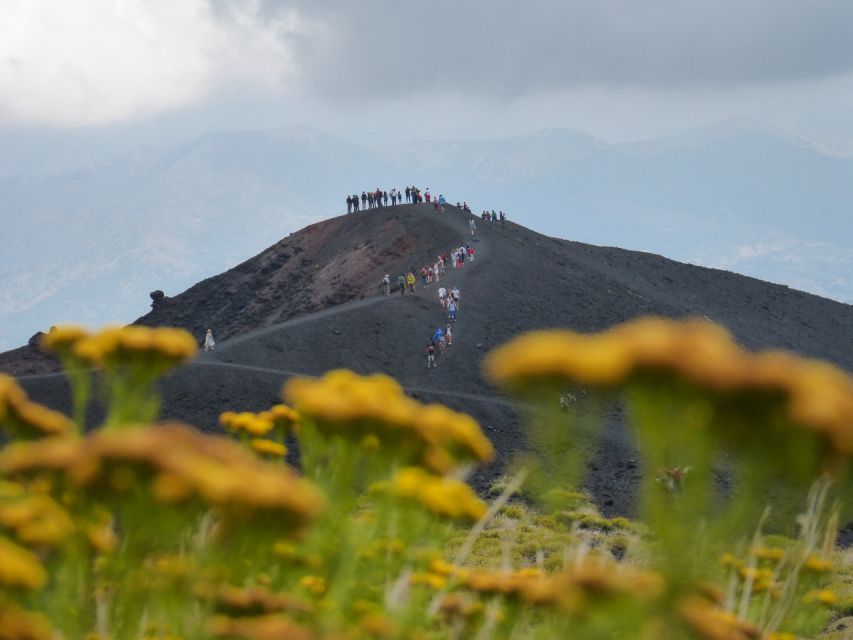
This is a focused morning trek on Mount Etna’s north slope craters. In about three hours, you start at Piano Provenzana and work your way from the edge of a lava flow up toward the crater bases, then back down the route you came from.
What I like about the format is that it’s not a long, exhausting summit grind. It’s more like a geology walk with stops where you can actually see cause-and-effect: lava paths, crater side leaks, and forest remnants clinging to the edges of volcanic change.
You’ll also spend time learning while you walk. The guide’s job is to connect what you’re looking at with the 2002 eruption and the lasting traces it left in this part of the mountain. That turns the view into something you can read, not just admire.
You can also read our reviews of more private tours in Mount Etna
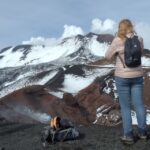
Starting at Piano Provenzana: Your Access Point to the Craters
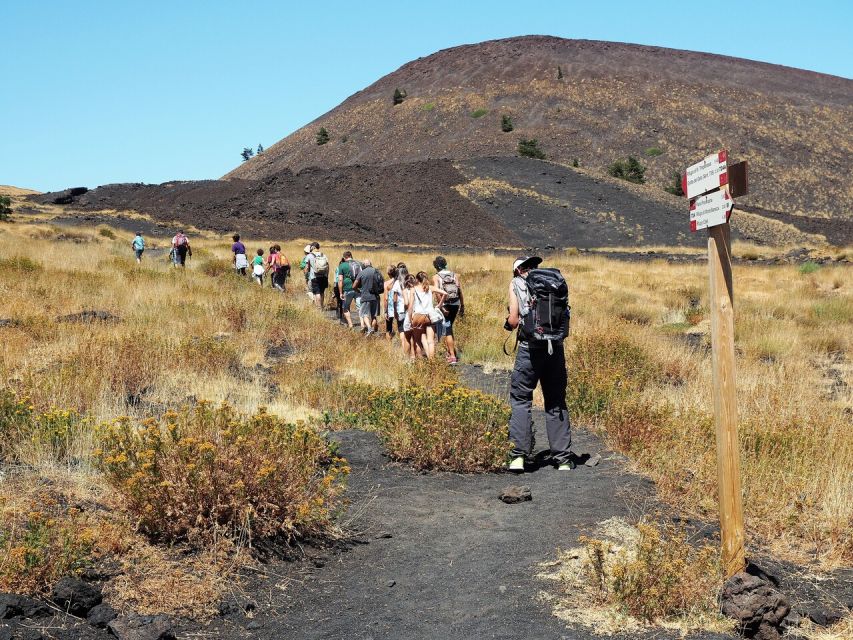
You meet your guide at Piano Provenzana, which is a well-known ski area in the region. That matters because it gives you a recognizable starting point and keeps the hike grounded in one practical loop rather than a complicated transfer plan.
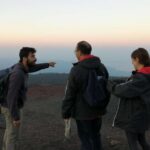
After you arrive, you get an introduction and safety briefing. Then the trekking starts on an easier path along the edge of a lava flow. That first section is important: it helps you find your footing before the climb into the beech forest and the crater approach.
From a traveler’s point of view, I like that the tour ends back at the same meeting point. You’re not planning your day around a complicated pick-up or a long wait at the wrong altitude.
Lava-Flow Edges to Beech Forest: The Walk That Builds the View
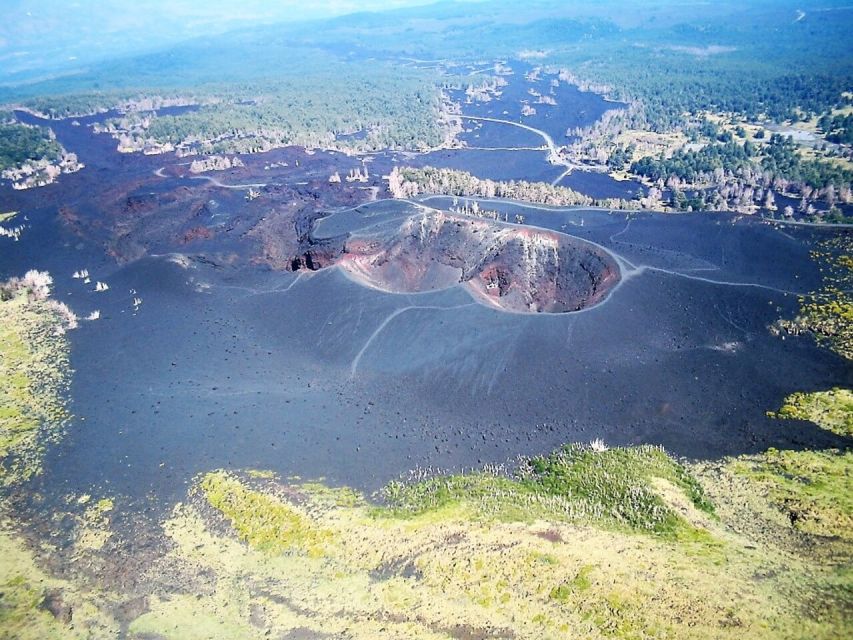
The hike begins gently along the edge of a lava flow. Even if you’re not a hardcore hiker, this is a smart way to ease into the terrain. You’re still on volcanic ground, but you’re not immediately thrown into the steepest moments.
Then you gradually climb through a beech forest. This is where the experience starts to feel like more than a crater visit. The trees break up the stark volcanic feel and give you a sense of contrast: living growth pushing back after violent eruptions.
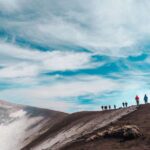
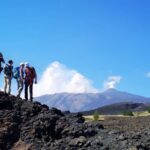
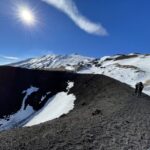
As you move upward, you’ll also be collecting the kind of views that make Etna famous. The guide will help you aim for better photo angles, so you’re not just shooting at random scenery. You learn what you’re looking at, then you get the pictures to match the story.
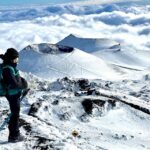
In fog, the mood changes fast. One participant’s experience noted that the fog didn’t ruin the hike. It made the setting feel otherworldly, but it also reinforced why sturdy shoes and careful footing matter on Etna.
Craters and the 2002 Eruption Site on Etna’s Northern Slope
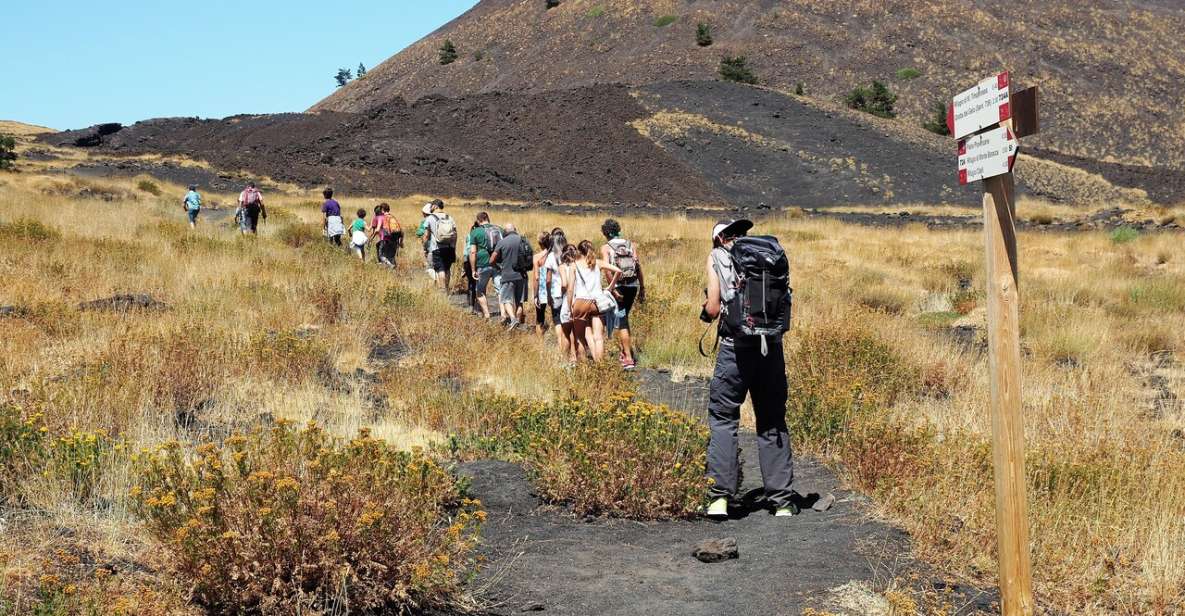
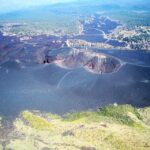
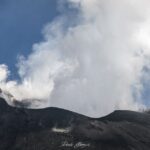
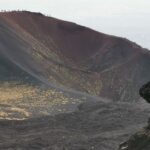
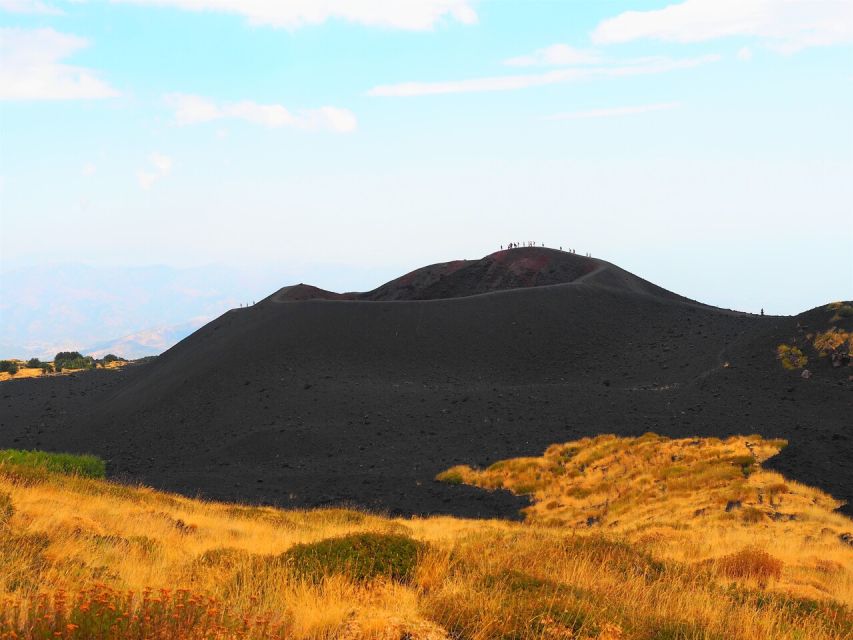
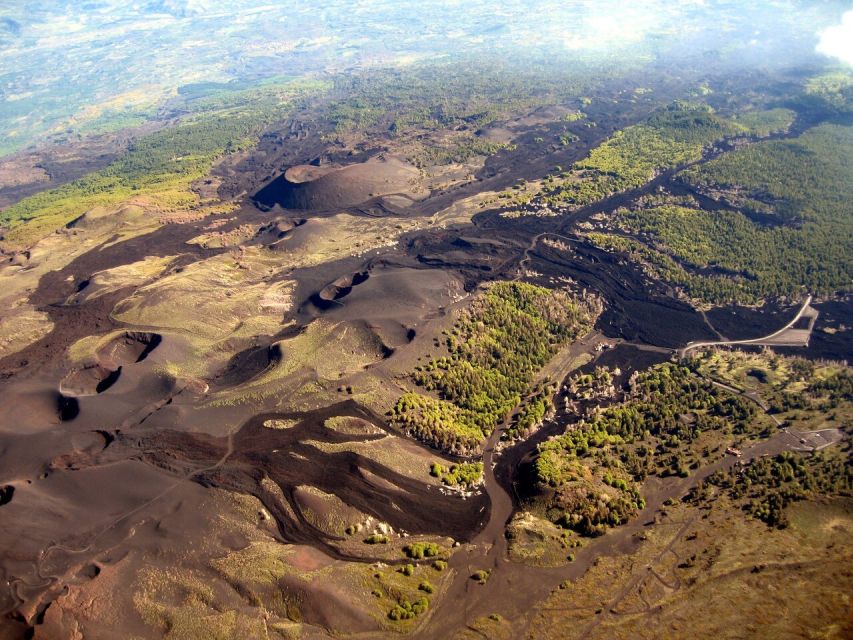
The core of the tour is reaching the base of the craters on Etna’s northern side. This is where you stop thinking in terms of a viewpoint and start thinking in terms of a volcanic system. You can see the shape of the terrain and understand how water, wind, and time interact with fresh-looking volcanic formations.
Your guide will take you to the site where the most important eruption of the last decades took place, and that’s tied to the 2002 eruption. Hearing it explained while you stand near the affected ground adds a lot. You’re not just hearing facts in a lecture. You’re looking at the evidence while the story is still fresh in your mind.
Then you’ll cross more lava flows that leaked through the sides of the craters. That detail is what makes this itinerary stand out: you’re tracing the routes lava took, not just visiting one dramatic spot.
The result is a trek that feels alive. You can almost picture the energy behind it. Your guide’s local storytelling helps you stay oriented as the terrain changes.
Ragabo Pinewood Remains and Walking Over the Past
After the crater-area portion, the route continues across more volcanic ground and toward the remains of older forest. You’ll see the remains of the centuries-old Ragabo Pinewood, which adds a time-layer to the hike.
This isn’t just a nice extra stop. It changes how you interpret the mountain. The north side isn’t portrayed as only destructive. It’s also a place where nature tries to rebuild. Standing near the Ragabo Pinewood remains gives you a clearer sense of how long recovery takes, and how uneven that recovery can be.
Crossing lava flows on the way back also keeps you engaged. You’re moving continuously, and each new stretch teaches you something different: what the ground looks like after flow, where the paths narrowed, and how the crater sides shaped the spill.
By the time you head back toward Piano Provenzana, you’re not tired of Etna. You’re tired in a satisfied way, because you’ve walked through a connected set of scenes rather than hopping between unrelated photo stops.
You can also read our reviews of more hiking tours in Mount Etna
Pace, Safety, and Why the Hike Can Feel Steeper Than Photos
This hike is described as an easy path at the start, but it’s still a trek on a volcano. One key piece of guidance from real-world experiences: the hike can be moderately strenuous and steeper than what photos suggest.
That matters for your planning. If you’re comfortable walking on uneven ground and managing short, steeper sections, you’ll likely be fine. If you prefer flat trails only, this probably won’t feel easy.
Safety briefing comes first, and your guide helps with pacing. One participant specifically noted that the guide was patient with hikers who needed help during tougher parts of the route. That’s a good sign for a private group: you’re not stuck in a one-size-fits-all rhythm.
Also, keep the height factor in mind. Another participant warned that it might not be for you if you fear heights. On a crater-focused trek, edges and drop-offs can be part of the experience, even when the route is still manageable for most.
So my advice is simple: bring steady shoes, trust the guide, and don’t let the first easy minutes make you underestimate the later climb.
Guides, Languages, and How Private Actually Helps You
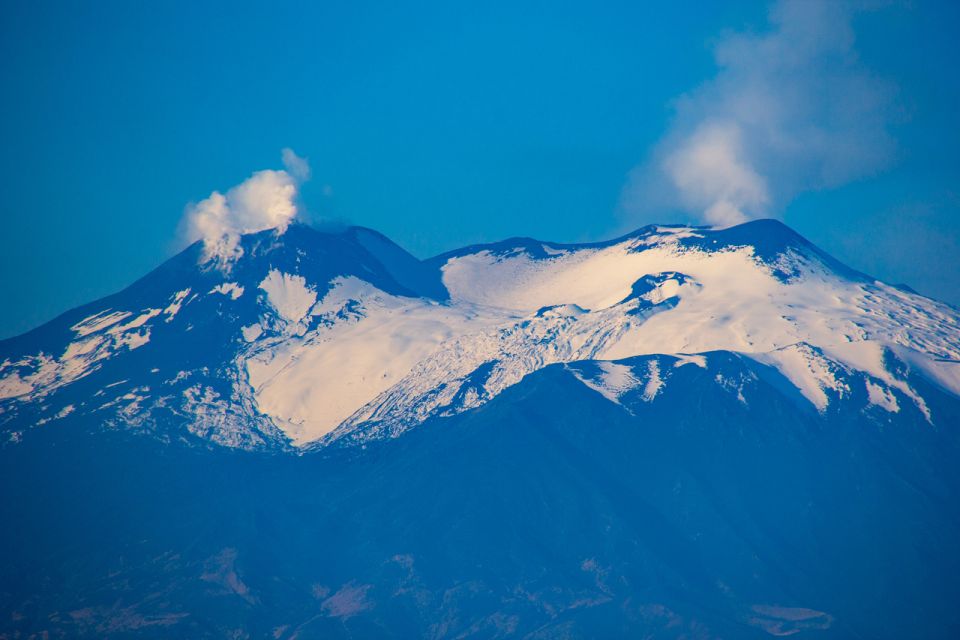
This is a private group trek, and that changes how the experience feels. A private setup means your guide can adjust explanations and pacing to your comfort level. It also means you spend more time looking with a purpose, not rushing between landmarks.
The tour is led by a professional guide, and the language options include French, English, and Italian. That matters because this is one of those experiences where context turns “cool” into “I get it.”
Guide names mentioned in participant feedback include Gio and Giuseppe. If you’re lucky enough to match with a guide who’s used to working with different hiking levels, you’ll probably feel the difference in how comfortably the hike moves along.
The guide also plays a role in photography. With panoramic views along the route, a good guide helps you find where to stand and when to shoot, instead of spending time guessing.
Price ($317.20 per Group up to 12): When This Feels Like a Deal
The price is $317.20 per group up to 12 people, for a 3-hour private trek. On the surface, that can feel like a lot if you’re booking solo. But in a private group, the math changes fast.
If you’re traveling with a couple of friends or a small family, you’re paying for something most people can’t buy as easily on their own: expert guidance at crater level, a planned route, and a coherent story tied to the 2002 eruption and the north-slope lava flows.
So the value question comes down to group size. For two or four people, it can start to feel like a very practical splurge. For a solo traveler, it’s more of a commitment, unless you’re especially motivated by having a guide you can match to your pace and questions.
Either way, remember what you’re buying: not just access, but interpretation. On Etna, seeing lava flows without context can feel like lots of impressive textures. With a guide, those textures start telling you a timeline.
What to Bring and How to Prep for Etna Weather
You’ll want the basics: camera, hiking shoes, sunscreen, water, and comfortable clothes. That’s the core packing list for staying comfortable on this kind of terrain.
Arrive at the meeting point at least 30 minutes in advance. I treat that as non-negotiable for hiking tours because it gives you time to meet your guide, get oriented, and start the trek without rushing.
Weather can also affect the plan. The reservation may be subject to change or cancellation depending on conditions. Since this is a crater-focused hike, it’s smart to assume visibility and ground conditions matter. Plan to be flexible, especially if fog or rain is rolling in.
A small practical note: if you’re relying on photos, you’ll want to protect your phone or camera gear from dust and shifting conditions. Lava terrain can kick up grit, and fog can reduce visibility fast.
Who This Private North Crater Trek Is Best For
This tour fits best if you want a guided, story-led walk rather than a casual stroll with no context. If you’re the type who likes learning why a place looks the way it does, you’ll get more out of the crater base time.
It also works well for hikers with moderate stamina who want to see the north side specifically. The climb through beech forest, the crater approach, and the lava-flow crossings create a balanced route that’s active without turning into a long haul.
It may be less ideal if you:
- have a fear of heights, due to crater-edge moments
- want only flat, easy terrain
- don’t like uneven ground or steeper sections, since parts can feel steeper than expected
If you’re traveling with mixed abilities, the private format helps. A patient guide can often keep the group together by adjusting support during tougher segments.
Should You Book It? My Practical Take
Book it if you want Mount Etna’s north slope craters with a guide who can explain what you’re standing on. This is one of those experiences where the geology lessons make the visuals more meaningful, and the walk is structured enough to feel complete in three hours.
I’d also book it if you’re traveling with others and can split the $317.20 group cost. The private setup makes it worth it in a small group because you’re not just buying movement, you’re buying interpretation, pacing, and better photo moments.
Skip it if you know crater-edge heights will stress you out, or if you strongly prefer gentle trails only. The terrain can be steeper than it looks, and that’s not a reason to talk yourself into it.
If you fit the hiking comfort zone, this is a smart, high-impact way to experience Etna beyond the simple view-from-a-distance routine.
FAQ
How long is the Mount Etna private trek?
The trek lasts about 3 hours.
Where do we meet the guide?
You meet the guide at Piano Provenzana. The tour ends back at the same meeting point.
Is this a private tour?
Yes. It’s a private group experience.
What languages are available?
The live guide offers French, English, and Italian.
What should I bring?
Bring a camera, hiking shoes, sunscreen, water, and comfortable clothes.
Is food and drink included?
No. Food and drinks are not included.